
Hybrid Solar System
in Faisalabad
Plan backup around the loads that matter.
First, plan a hybrid solar system in Faisalabad around your normal electricity use, selected backup loads and existing equipment. [Brand] can discuss these priorities before you agree a design. Then request a proposal explaining components, operating behaviour and installation scope.
PLAN AROUND YOUR NEEDS
Start with what you want to keep running
Selected loads
First, identify the circuits or equipment you want to prioritise during an outage. Also, note any significant starting demand.
Timing and duration needs
Explain when backup matters and what you hope to support. Then ask the designer to assess this requirement under stated conditions.
Normal electricity use
In addition, share bills and daily routines so the designer can review daytime operation and backup priorities together.
As a result, the scope should identify selected loads clearly. Do not assume it covers every appliance.
KEY PARTS TO CONSIDER
A hybrid label does not define the whole system
Before comparing packages, ask how the proposed setup works with grid power and during an outage. The equipment and configuration must support those agreed modes.
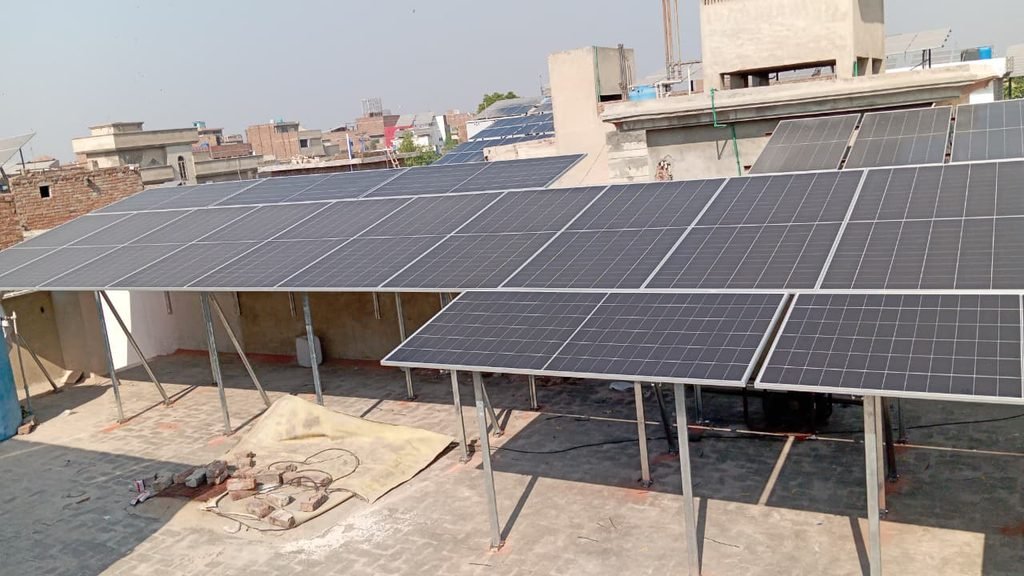
Solar array
First, identify the module models, quantities and proposed array capacity.

Compatible inverter
Next, specify the inverter model, relevant ratings, operating limits and intended backup arrangement.
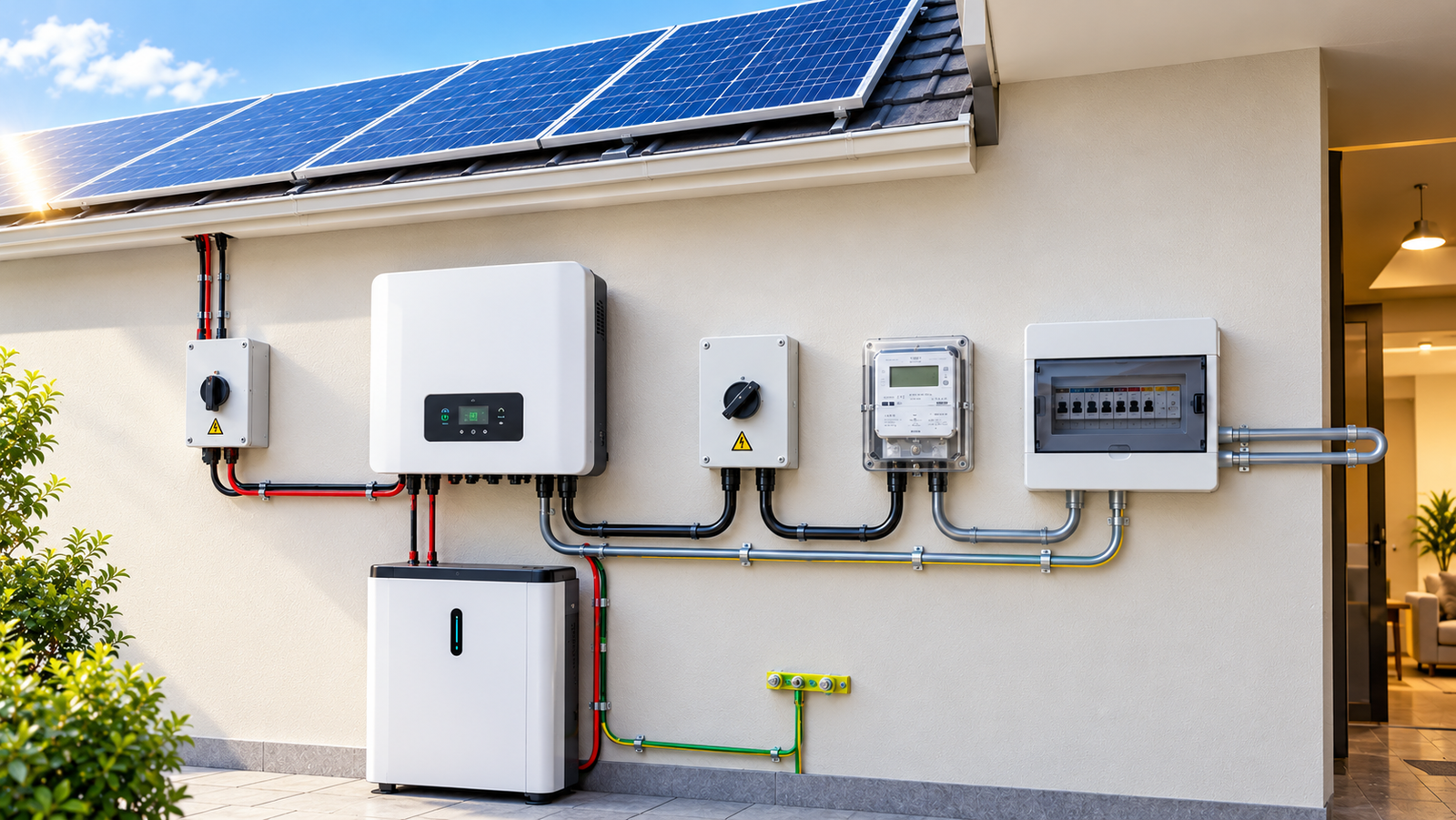
Storage and backup circuits
Also, identify the battery specification and selected circuits. A package name alone does not establish usable storage or supported loads.
GET THE RIGHT MATCH
Confirm battery and inverter compatibility
Before selecting a battery or inverter, request confirmation for the exact models and proposed configuration. The designer should also check operating limits, communication requirements and manufacturer conditions.
✓ Exact models and approved configuration
✓ Nominal and usable battery energy
✓ Applicable limits and installation requirements
✓ Manufacturer conditions and warranty documents
Then confirm what the quotation includes. Do not assume you can add every battery to any inverter.
For general resilience concepts, read How Solar Backup Works. However, this is not a model compatibility list or Pakistan connection policy.
UNDERSTAND HOW IT WORKS
Check how the proposed system changes over
Grid available
First, discuss how the proposed system supplies normal loads and manages storage within the agreed design.
Grid outage
Then confirm which circuits remain supplied, what limits apply and how equipment behaves when grid power fails and returns.
Also, ask whether any interruption occurs and what happens if the selected load exceeds system limits. Discuss sensitive equipment requirements explicitly.
Confirm changeover behaviour for the actual design. The hybrid label does not guarantee an uninterrupted supply.
ALREADY HAVE SOLAR?
Upgrading an existing solar installation?
First, share existing array, inverter and storage records, previous drawings and warranties where available. Also, explain the reason for your upgrade.
✓ Existing equipment records
✓ Site and electrical review
✓ Reuse or replacement scope
Next, the review should establish which components you can reuse and what must change. It should also confirm whether the site and electrical installation support the proposed arrangement.
If you use a generator or another backup system, request a separate integration review. Do not assume a new battery or hybrid inverter can connect directly to current equipment.
COST COMPONENTS
Understand the cost of the complete hybrid proposal
Equipment
First, identify panels, inverter and the proposed operating design.
Storage
Also, specify battery equipment and usable energy where storage forms part of the agreed scope.
Installation work
Then confirm mounting, cabling, protection, backup circuit work and commissioning.
Exclusions and terms
Check roof or electrical upgrades, delivery, taxes, connection support, warranties, payment stages and validity.
Request a dated itemised quote. No verified installed hybrid price is available for publication yet.
Compare equivalent scopes before comparing totals. In addition, record any changes after assessment in an updated written proposal.
POPULAR SYSTEM SIZES
Choose capacity after reviewing the site
Explore 3kW, 5kW and 10kW options as planning references. However, these are not automatic hybrid recommendations. Array capacity, inverter rating, battery energy and backup loads need separate specifications.


Instead, choose scope around electricity use, usable roof, site connection and intended operation. A larger capacity label alone does not establish more useful backup.
HOW IT WORKS
From requirements to commissioning
01 · Share priorities
First, provide location, electricity use, selected backup loads and existing equipment details.
02 · Review design
Next, discuss compatibility, site constraints, proposed operation and any additional checks.
03 · Agree scope
Then confirm equipment, work, exclusions, schedule, responsibilities and payment terms.
04 · Confirm operation
Finally, complete agreed commissioning checks and obtain normal-use and outage guidance.
Agree the exact checks and timeline with a qualified provider before work begins.
AFTER INSTALLATION
Keep operation and support terms clear
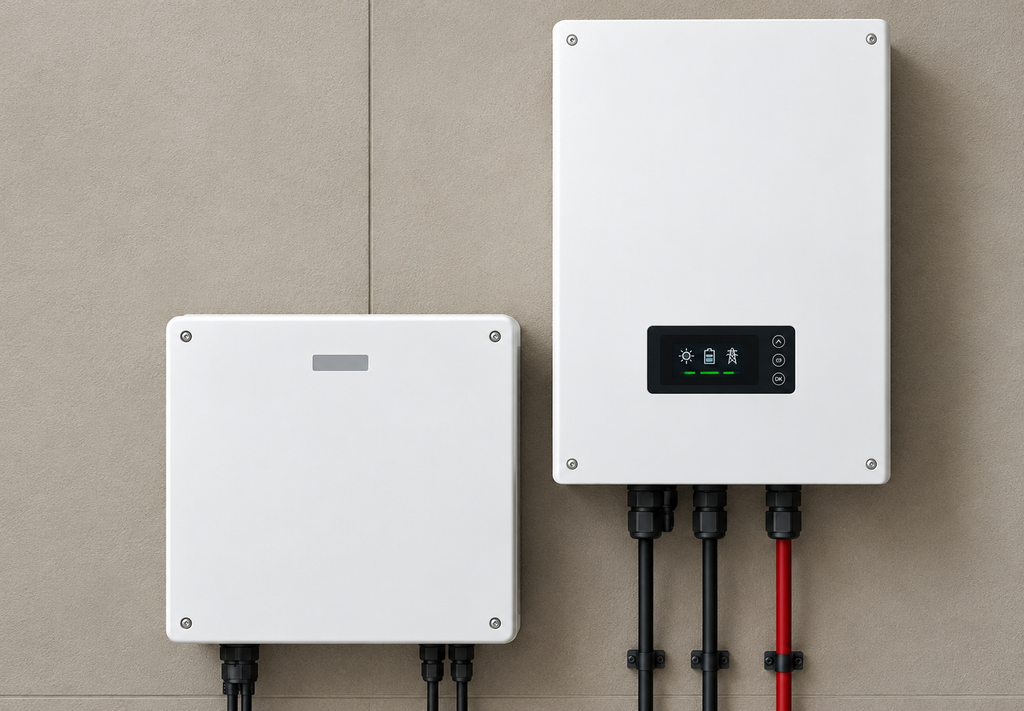
At handover, request a record of backed up circuits, system limits, equipment models and operating guidance. Also, confirm monitoring access if the agreed scope includes it.
✓ Backed up circuits and system limits
✓ Equipment models and operating guidance
✓ Monitoring access, if included
✓ Warranty documents and support responsibilities
Then clarify the fault contact route, maintenance responsibilities and separately priced support. For an existing fault, describe the symptom instead of assuming a hybrid upgrade is the answer.
HYBRID SOLAR QUESTIONS
Hybrid solar questions
Find answers to common questions about hybrid solar systems in Faisalabad.
Discuss a hybrid solar setup in Faisalabad
Share your location, electricity use, backup priorities and existing equipment details with [Brand]. Then request a scoped proposal explaining compatibility, operating limits and the work required.